Posts by Collection

portfolio

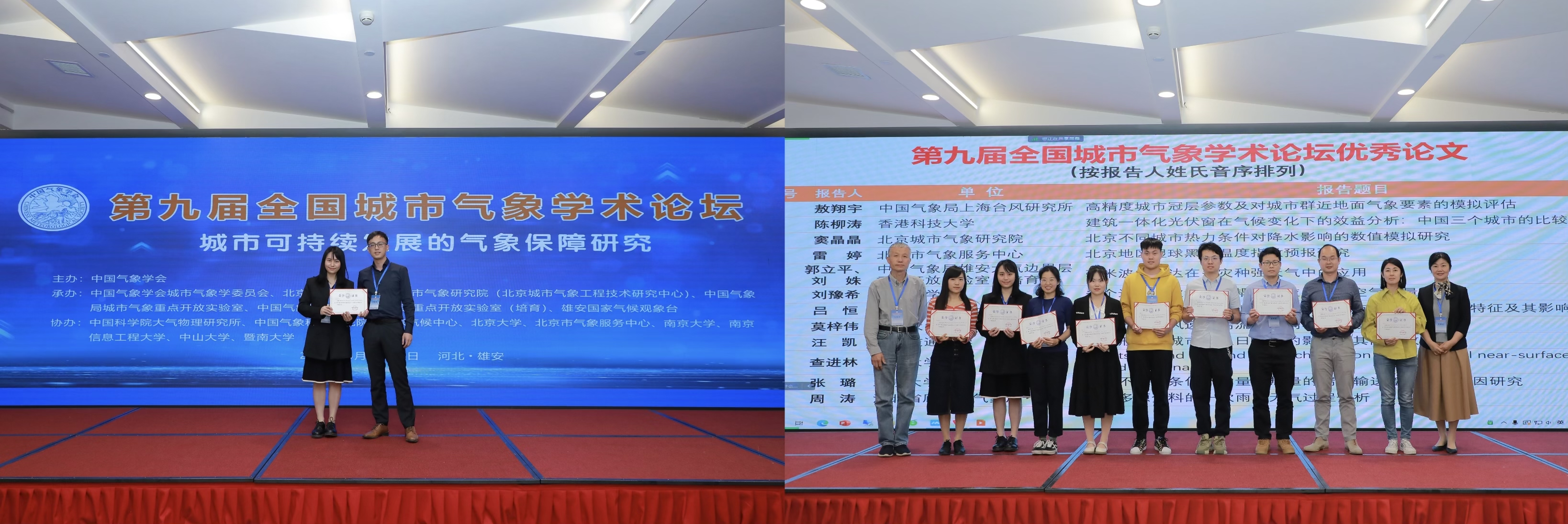
ICUC Conference

Published:

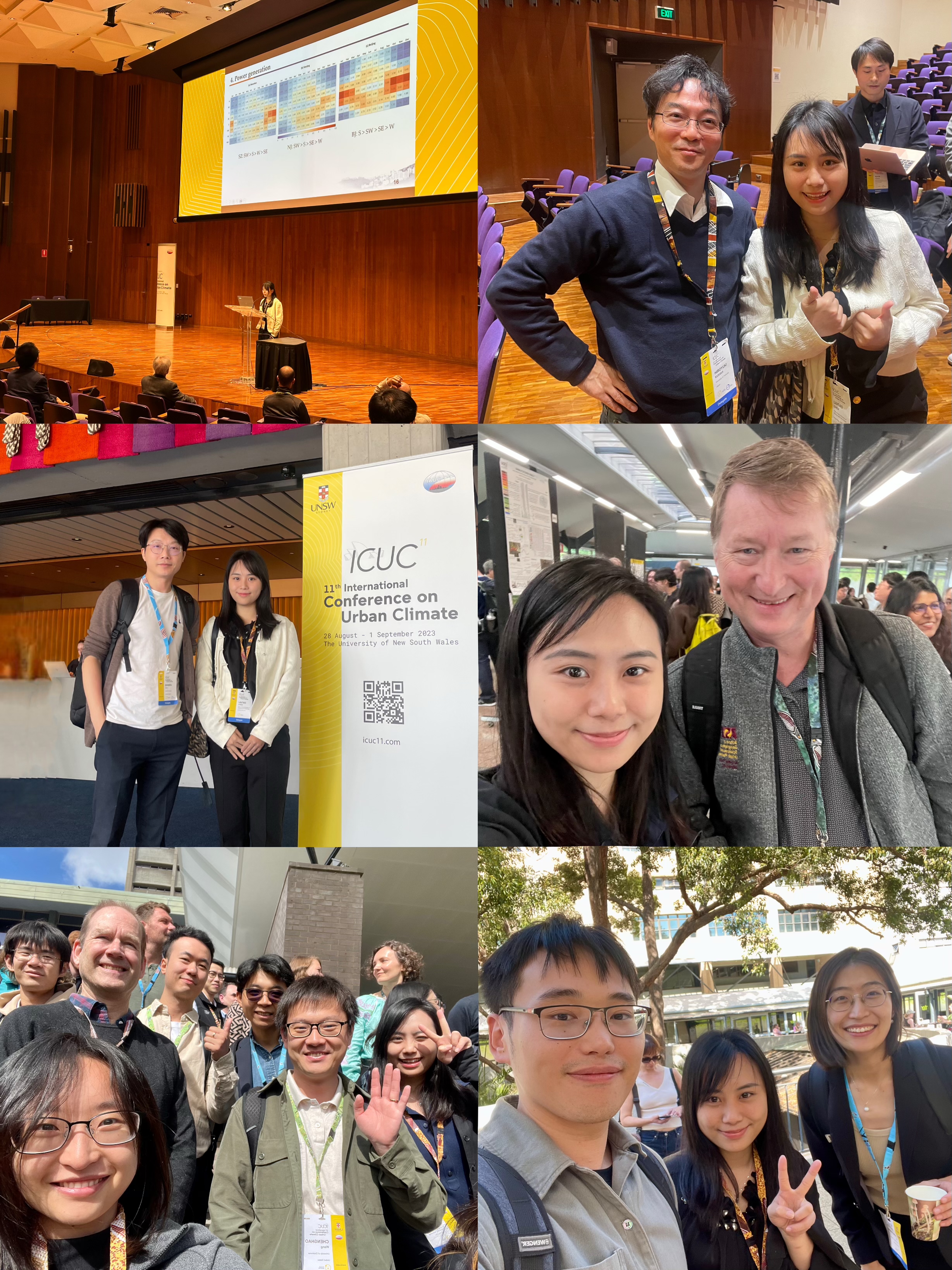
I had the opportunity to attend the 11th International Conference on Urban Climate (ICUC) in Sydney and present my research. It was an incredibly exciting and fulfilling experience.


Meeting my academic idols during the conference was truly inspiring and motivating. Interacting with them and learning about their research perspectives and experiences was invaluable.


Moreover, meeting face-to-face with old friends from ResearchGate at the ICUC conference was wonderful. We shared our research progress and offered support and encouragement to each other.


I am grateful to the ICUC conference for providing me with this valuable opportunity!


Hooding day

Published:

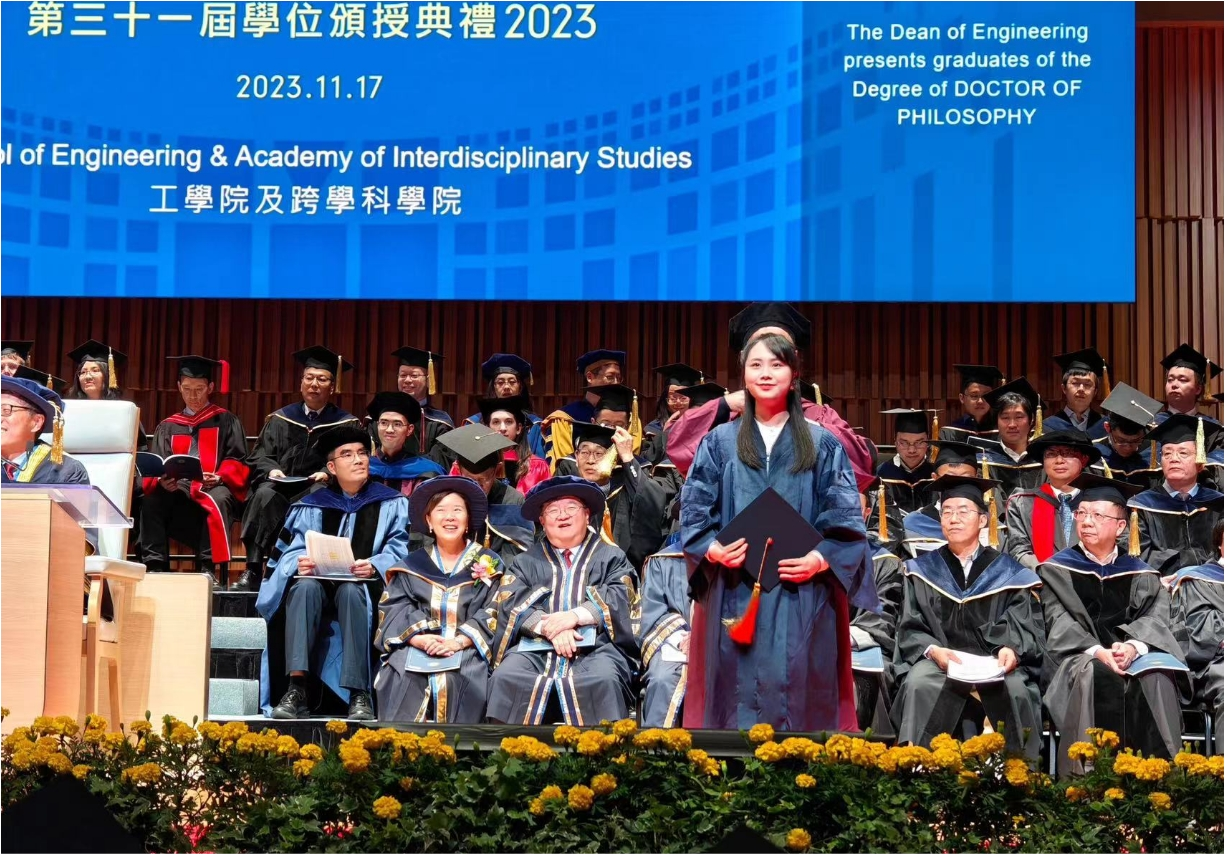
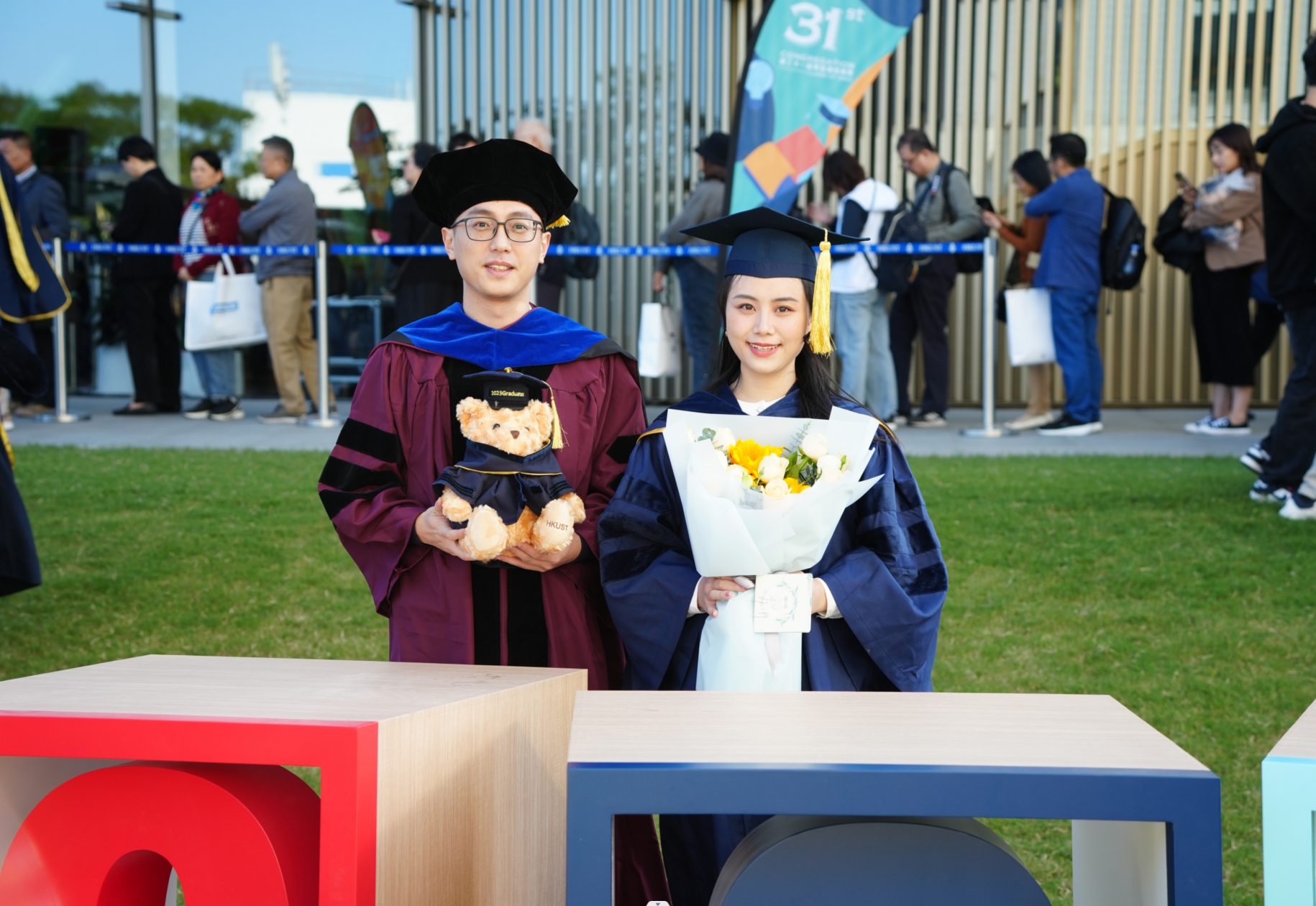
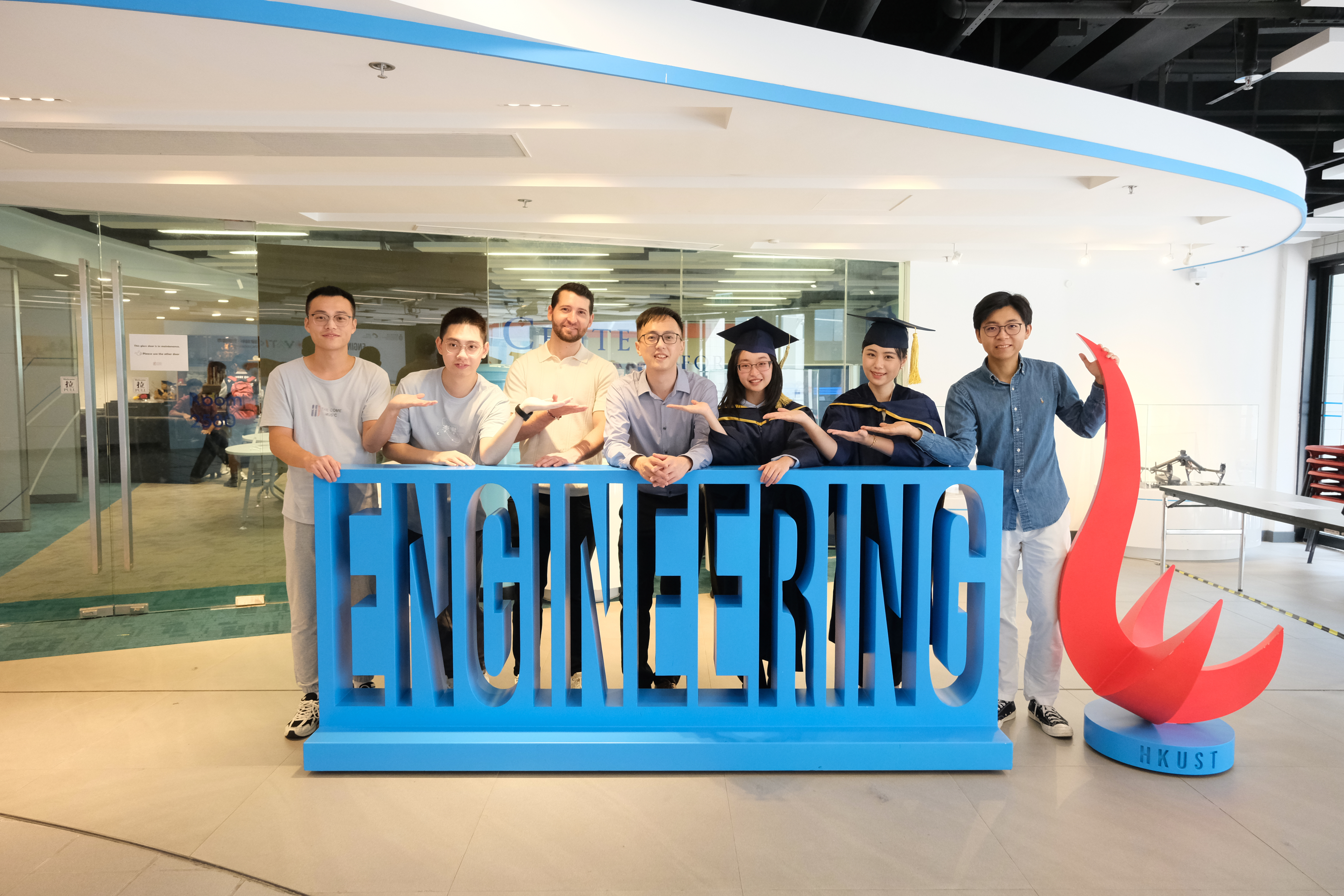
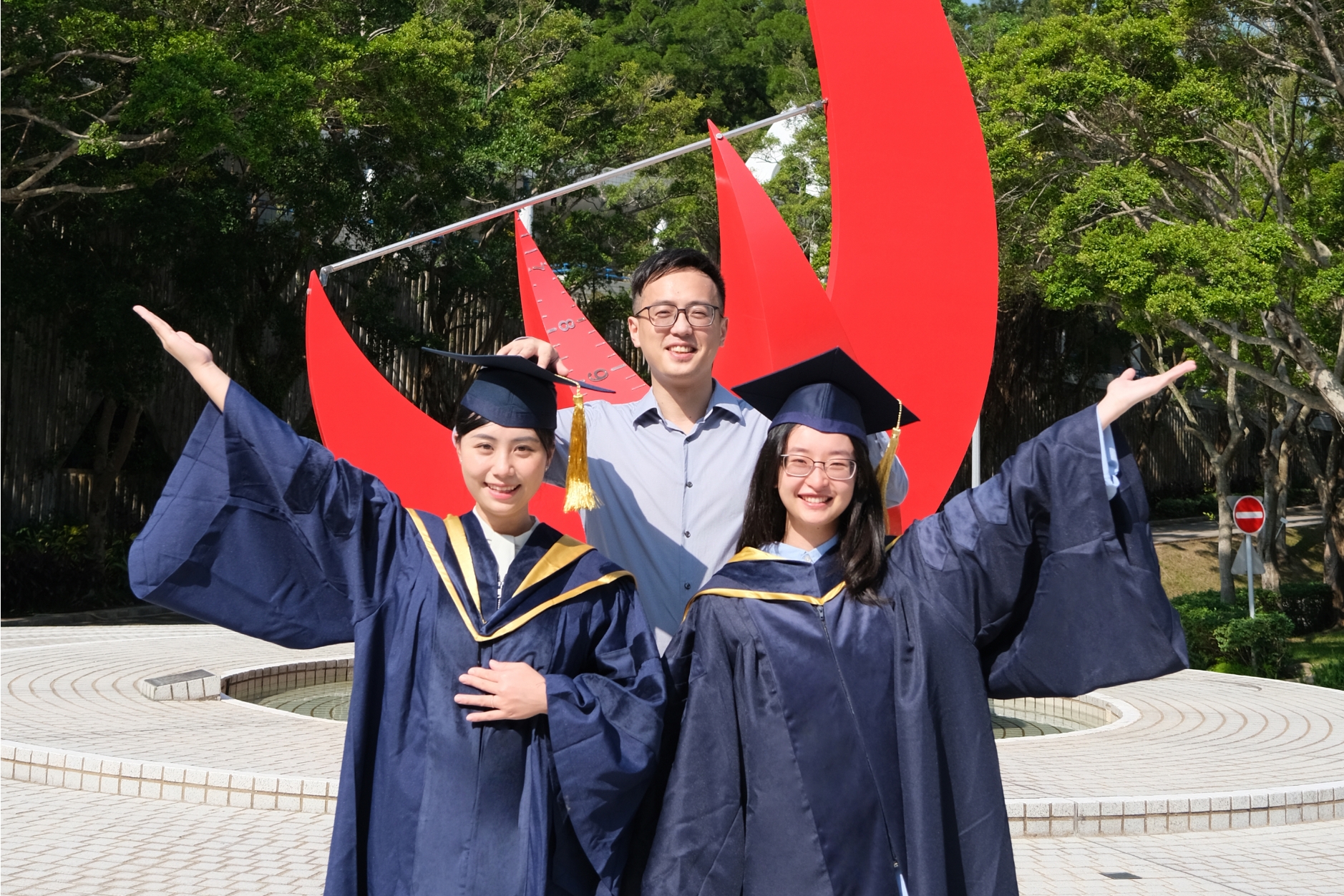
HKUST Congregation 2023 - Hooding Ceremony of PhD Graduates on Nov 17, 2023

Officially be hooded as PhD o(* ̄▽ ̄*)ブ!

A photo with my supervisor - Prof. Jiachuan Yang

A photo with all my groupmates

A photo with my groupmate - Dr. Chen Xuan


publications

Extremes events series

Published in Atmospheric Research, Urban Climate, 2019

Intro: This series marked the beginning of my research journey as an undergraduate student, where I focused on studying the patterns of climate extremes and their connection to urbanization. I aimed to understand how human activities impact the distribution of climate extremes over time and space. I would like to express my heartfelt gratitude to my co-authors, particularly my supervisors and teammates, for their unwavering support and invaluable guidance throughout this research journey.

PhD thesis: Enhancing Building Energy Modelling in Urban Climate Simulation

Published in Hong Kong University of Science and Technology, 2023

Intro: Building energy consumption constitutes 40% of global energy usage and closely correlates with the outdoor microclimate, so it is crucial to delve into the indoor-outdoor interaction mechanism. Firstly, by considering building energy usage as a primary driver within this mechanism, we aim to explore its impact on the urban thermal environment. Secondly, we investigate the influence of Building-Integrated Photovoltaic (BIPV) windows, a renewable energy technology that interfaces with indoor and outdoor environments. Our research will examine the effects of BIPV windows on building energy consumption, urban climate, and the dynamics of indoor-outdoor interaction.

GeoBEM Series: Geospatial computing for Urban-scale building energy solutions

Published in Nexus, Sustainable Cities and Society, Building and Environment, 2025

Intro: Cities account for a large share of global energy use and emissions, yet urban-scale building energy modeling (UBEM) is still limited by data gaps and nonstandard geospatial workflows. Our GeoBEM framework bridges this gap by unifying GIS integration, automated data pipelines, and physics-based simulations to enable high-resolution energy modeling across cities. We are leveraging this platform to evaluate various building materials, retrofit strategies, and green finance applications, with multiple exciting studies underway - stay tuned for forthcoming findings!

PVIGR series: Experimental insights into PV rooftops and urban heat

Published in Renewable and Sustainable Energy Reviews, Building and Environment, 2025

Intro: While large-scale photovoltaic (PV) roofs are key to sustainable cities, their impacts on urban heat islands (UHI) remains debated due to a lack of experimental validation. To resolve this, our team conducted a field experiment monitoring multiple 200 m² rooftop configurations in subtropical Hong Kong—comparing bare roofs, PV roofs, and PV-integrated green roofs (PVIGRs). This study provides the first real-world evidence of their thermal trade-offs. The work has been reported in PV Magazine.

BIPV window series: Modeling microclimate and energy impacts in urban

Published in Nexus, Renewable Energy, Building and Environment, Energy and Buildings, 2026

Intro: Building-integrated photovoltaics (BIPV) offer an effective way to expand urban renewables and cut carbon. Due to the lack of modelling tools, the microclimate impact of BIPV windows in street canyons has not been well understood. This series comprises four studies that progress from model development and validation, through sensitivity analysis and parametric experiments, to a city-scale assessment of climate–energy feedbacks.

talks

Research

Climate and energy systems are tightly coupled: rising temperatures increase cooling demand, and waste heat can intensify urban warming. My work integrates field measurements, physics-based models, geospatial data science, and remote sensing to quantify these feedbacks and to design actionable mitigation strategies at scales from buildings to entire cities.

teaching

Teaching experience 1

Undergraduate course, University 1, Department, 2014

This is a description of a teaching experience. You can use markdown like any other post.

Teaching experience 2

Workshop, University 1, Department, 2015

This is a description of a teaching experience. You can use markdown like any other post.